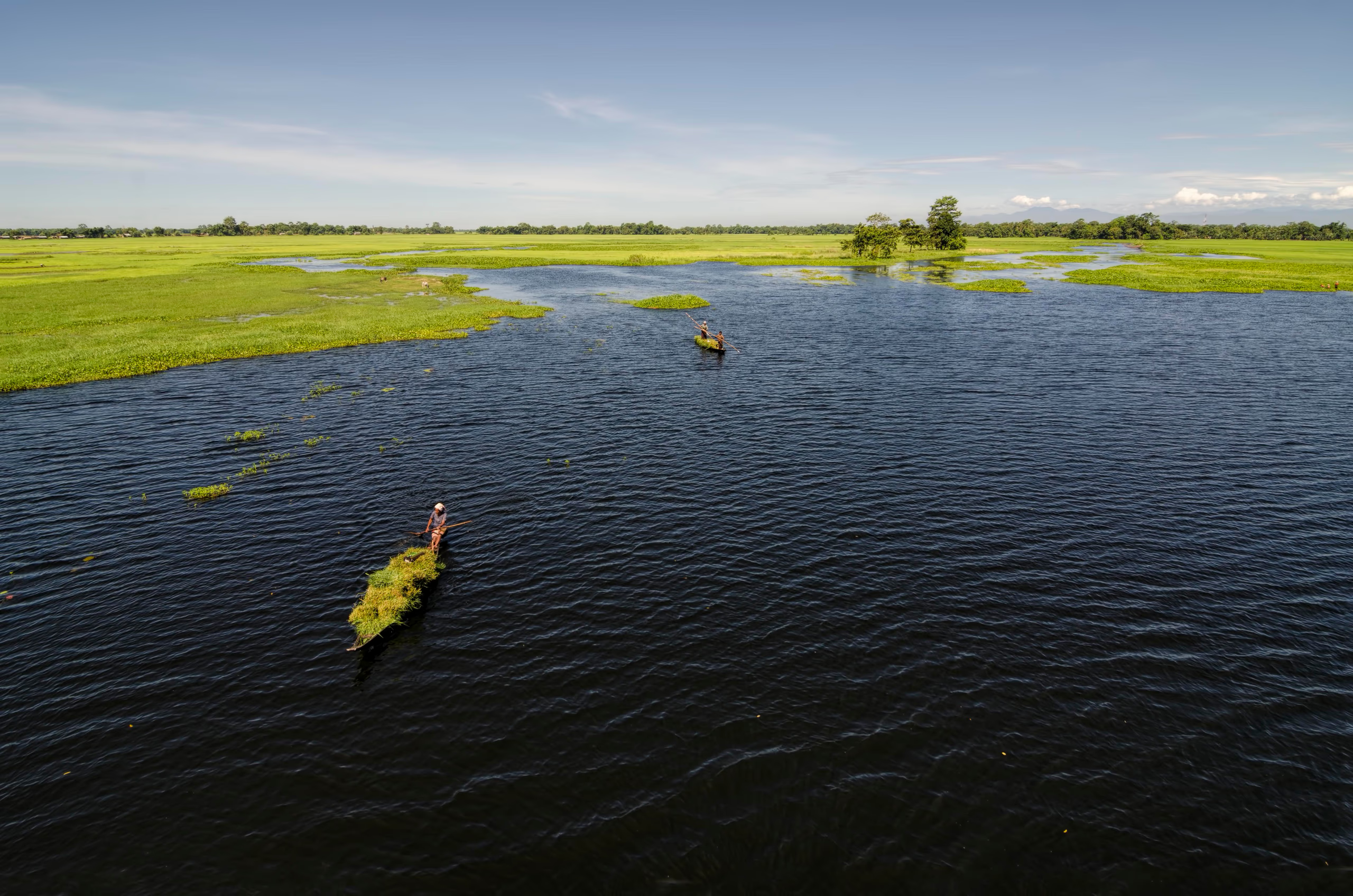
Majuli is a paradox of a place: one of the largest river islands in the world, and one of the most rapidly vanishing. The Brahmaputra built and rebuilt it from the silt it carries down from the Himalaya. It became the sanctuary of the great Vaishnava sattras founded in Sankardev's tradition. And the same river that made it is steadily eating it away. Majuli is a landscape whose geography is also its predicament. Its culture is among the most concentrated in the whole of Assam.
An island made by the river
Majuli lies in the Brahmaputra in upper Assam, between Jorhat on the south bank and Lakhimpur to the north. It is an immense alluvial island. The main Brahmaputra channel bounds it on one side; the Subansiri and the old Kherkutia channel bound it on the other, so that the island sits in the fork where a great tributary meets the main stream. It was formed over centuries, as the braided river split and rejoined across its wide bed, throwing up land in one place and cutting it away in another. This is the nature of the Brahmaputra in its Assam valley: not a single channel but a shifting web of them, laying down and carrying off the chars, the temporary silt islands, from one flood season to the next. Majuli is the greatest and the most enduring of those islands, but it is made of the same impermanent stuff.
Tradition holds that the present island took shape after a series of earthquakes between about 1661 and 1696, which culminated in the catastrophic flood of 1750 that diverted the Brahmaputra through the Dihing channel and cut the land into something like its modern form. It is a flat, fertile, water-laced country of paddy, wetland and village, its soil renewed each year by the flood that also threatens it. Its size has never been fixed: the island is whatever the Brahmaputra has most recently left. It has shrunk from roughly 1,250 km² around the early twentieth century to about 880 km² today, a loss of about a third, and the figure is a moving one, revised downward with each bad season of erosion. To live on Majuli is to live with a map that the river redraws.
Why the faith came to the island
Majuli's separation by water made it a sanctuary. That is why it became the heartland of Assamese Vaishnavism. Sankardev himself was the sixteenth-century saint of the Bara-Bhuyan country who refounded the religion of the valley. He preached a devotion centred on the one god, sung and heard in the common tongue rather than in Sanskrit ritual. That message travelled by word of mouth and by the founding of monasteries, and it needed places set apart to take root. An island girdled by the Brahmaputra was exactly such a place.
Sankardev is said to have stayed on Majuli and at nearby Belaguri. At Belaguri, tradition places his great meeting with his disciple Madhavdev, the manikanchan sanyog or “union of gem and gold”. That meeting bound the two men whose songs and writing became the core of the faith, and it fixed Majuli in memory as the ground where the movement's leadership passed from teacher to successor. Set apart from the political turbulence of the banks, the island drew the monasteries that carried the movement forward. The Ahom kings endowed them with land and dependants, and later granted them tax-free estates and bondsmen to work the fields. Under that patronage it became the dense monastic landscape it remains.
The four orders and the great sattras
After Sankardev and Madhavdev the neo-Vaishnavite movement divided into four orders, the samhati. They differed in ritual, in their attitude to caste and Brahmanical form, and in their lines of preceptors: the Brahma-samhati readmitting much of the older image-worship and the Brahmanical calendar, the stricter orders keeping the altar bare but for the sacred book and the celibate rule at its most exacting. Majuli holds sattras of more than one order, and something of the whole spectrum of the faith can be read across the island in a single visit.
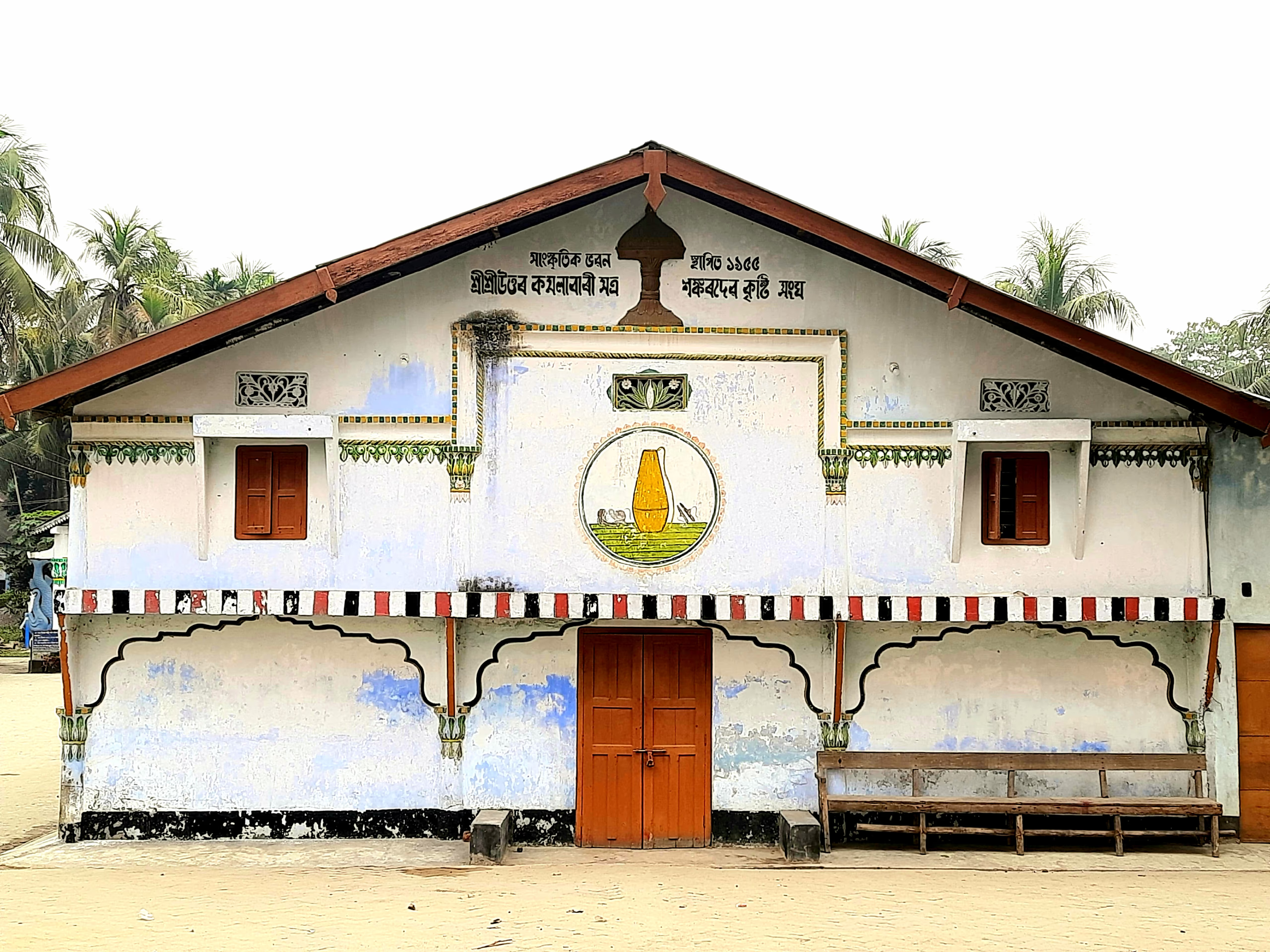
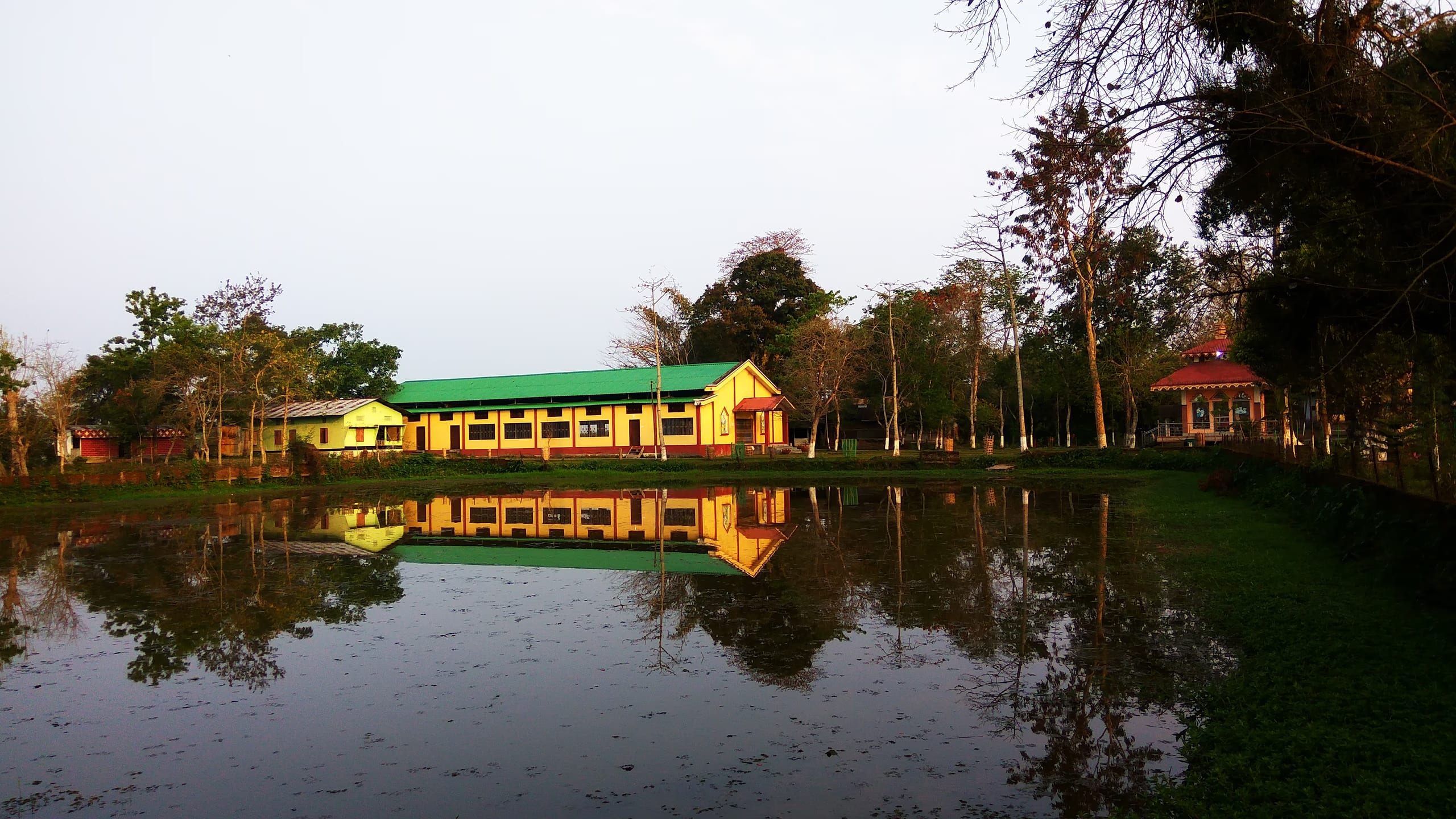
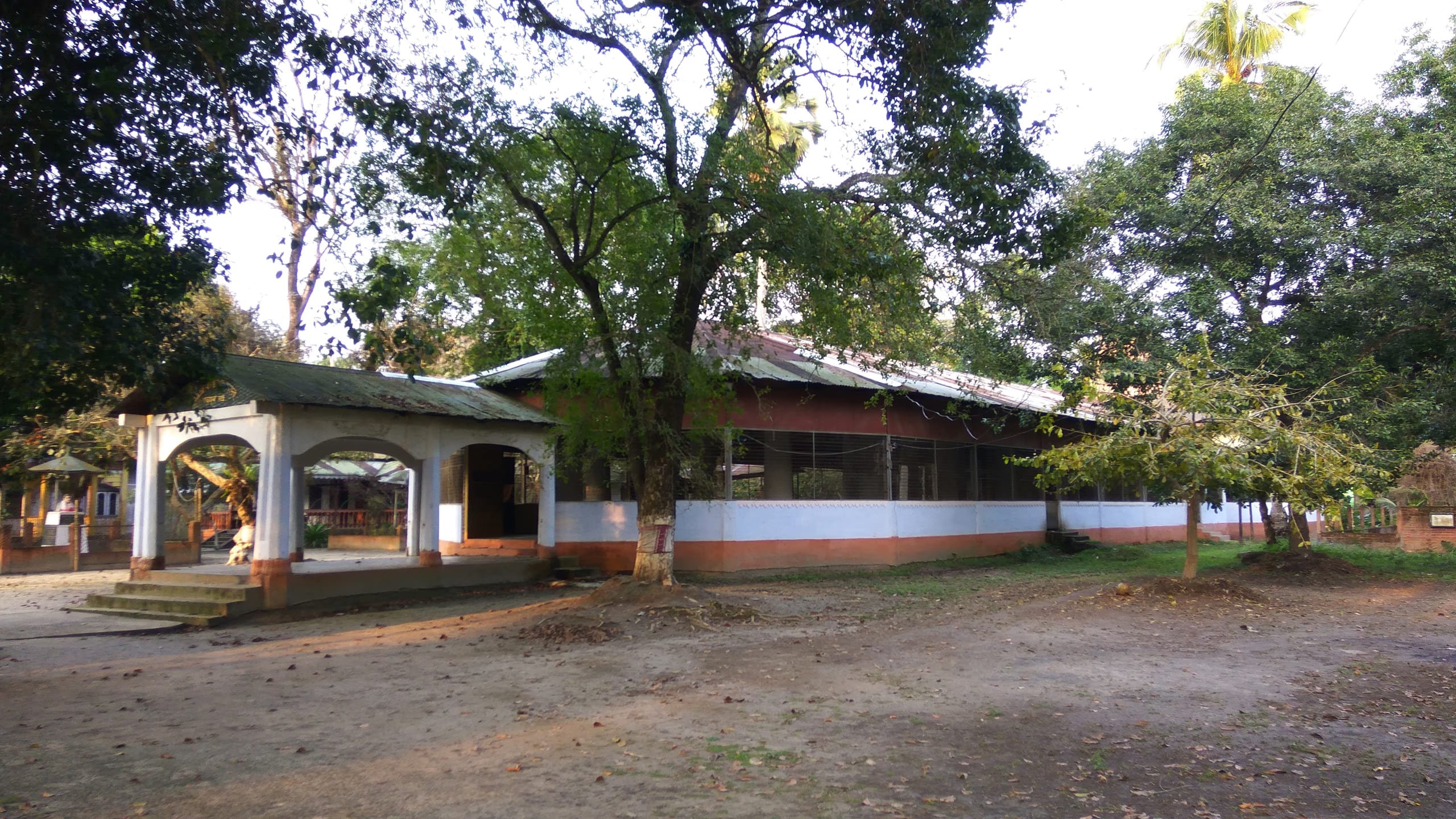
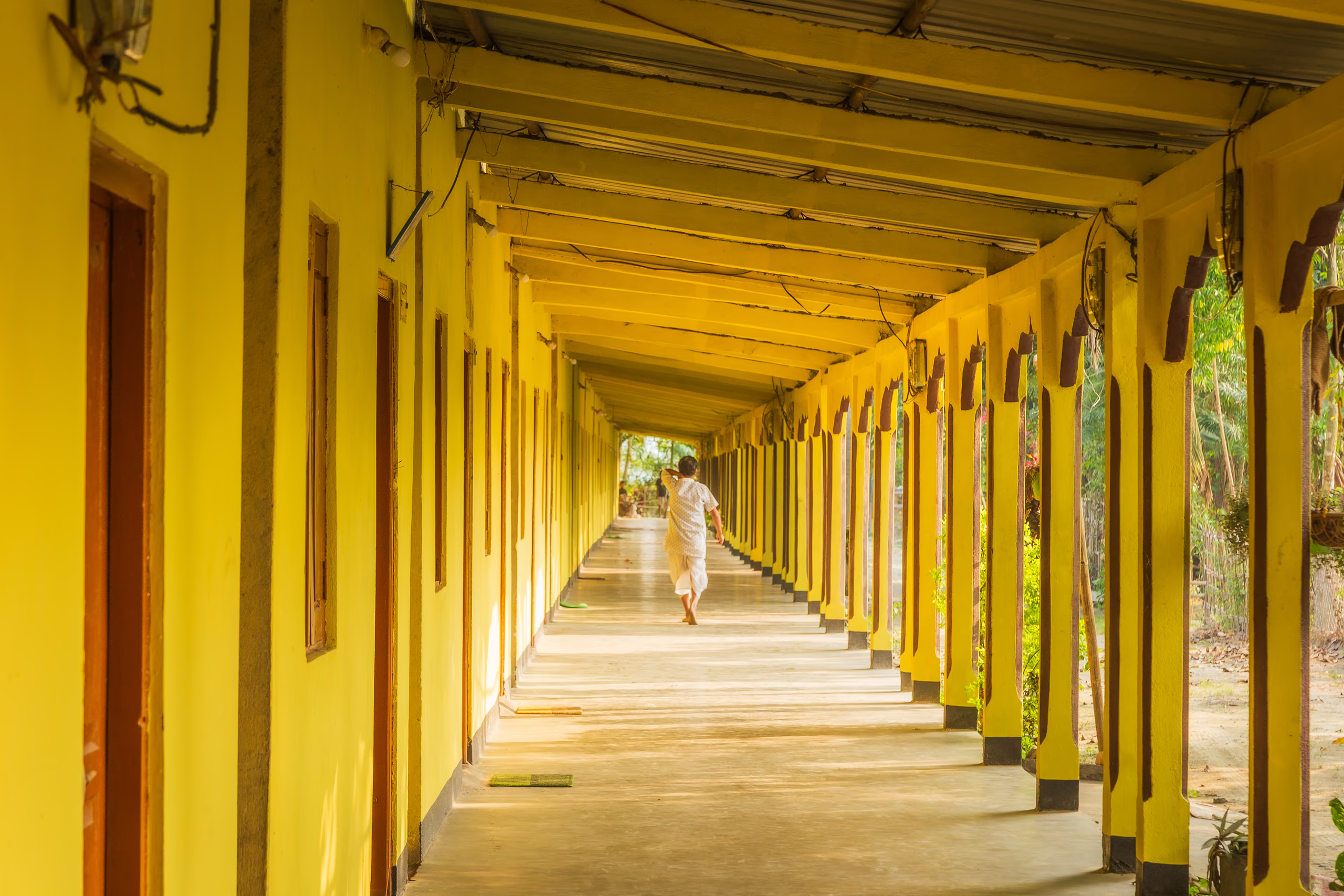
Several of the greatest were royal foundations of the seventeenth century, endowed by the Ahom court: the wealthy and powerful Auniati and Dakhinpat of the Brahma-samhati, Garamur, and the celibate Kamalabari with its renowned tradition of Sattriya dance and art; alongside them stands the mask-making sattra of Samaguri and the treasury-house of Bengenaati, and many smaller houses besides. Each is an active monastery, with its satradhikar (abbot), its body of resident bhakats (monks), its prayer-hall (namghar), and its own particular observances, and each has its own page and its own story. Together they make the island, in effect, an open and living museum of the tradition, one where the differences between the orders are not a matter of history books but of what is done, daily, a few miles apart.
A complete devotional culture
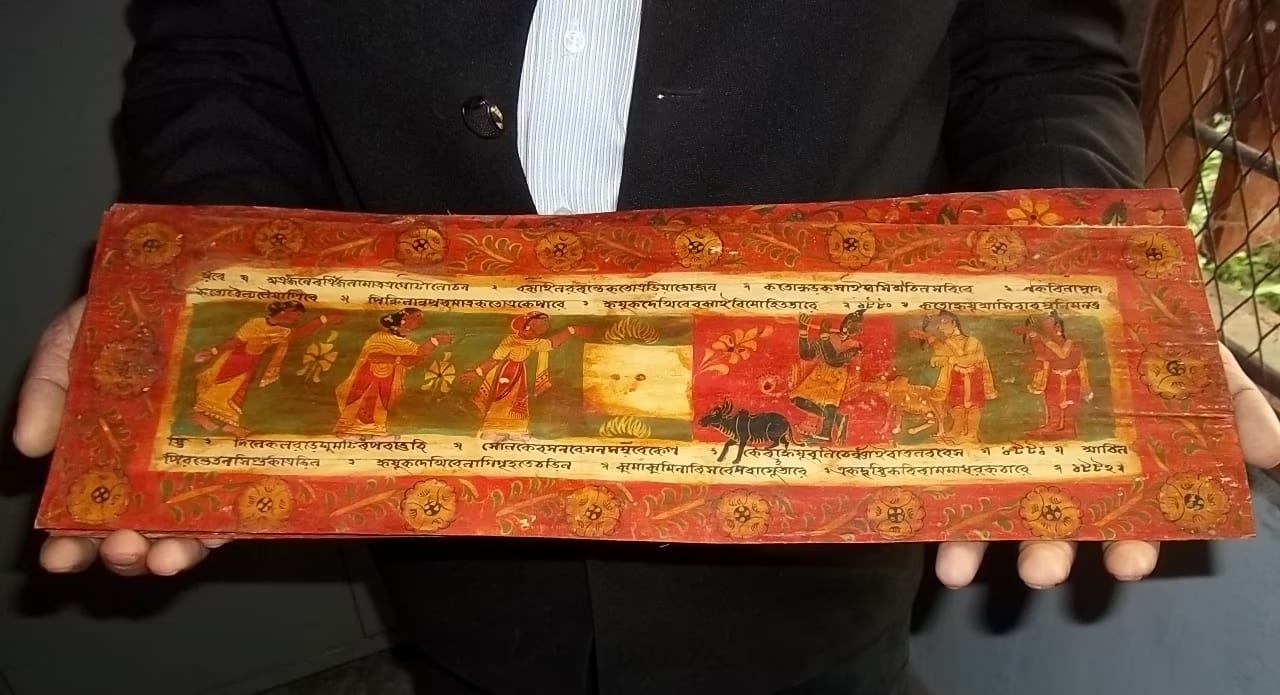
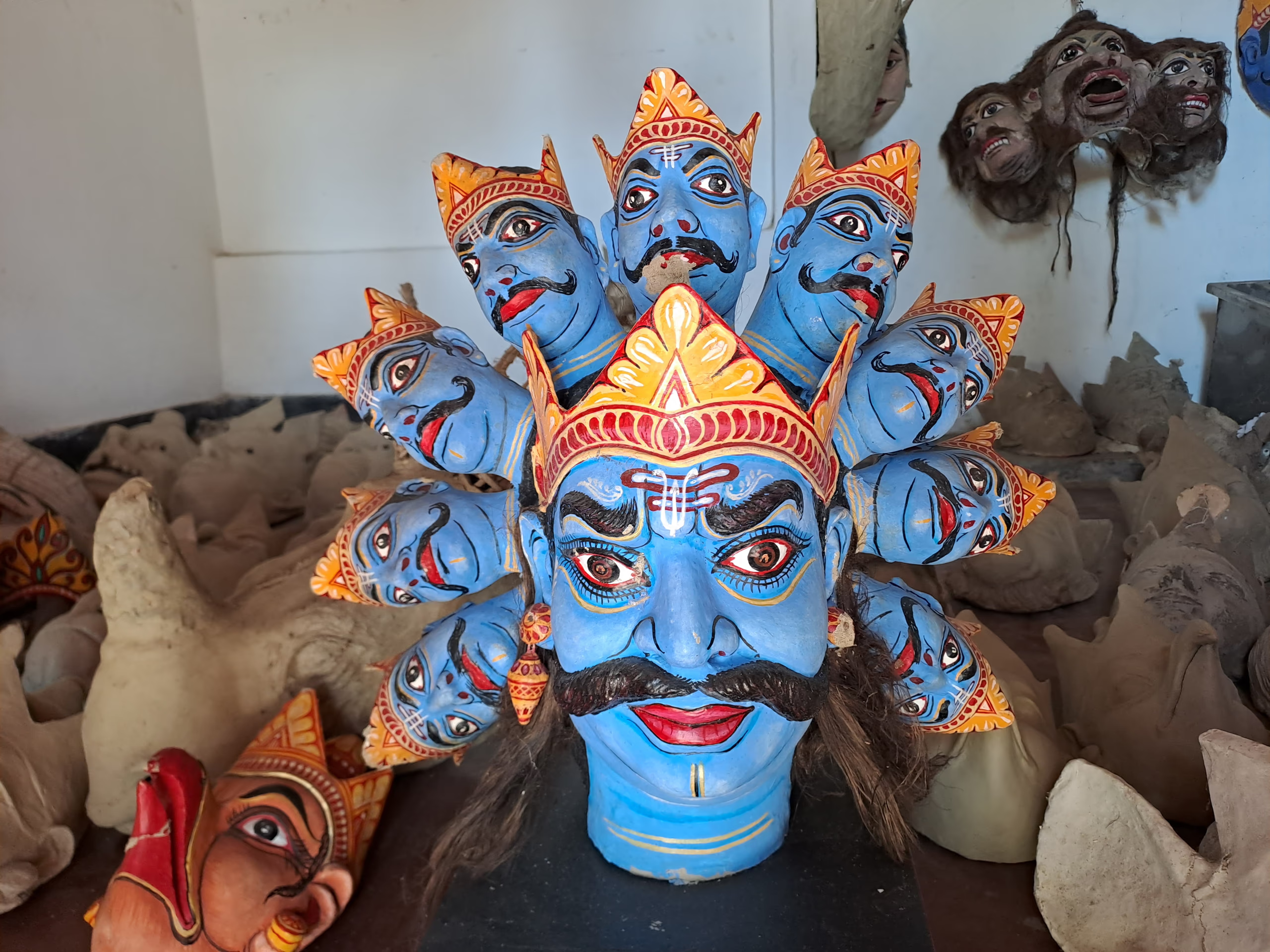
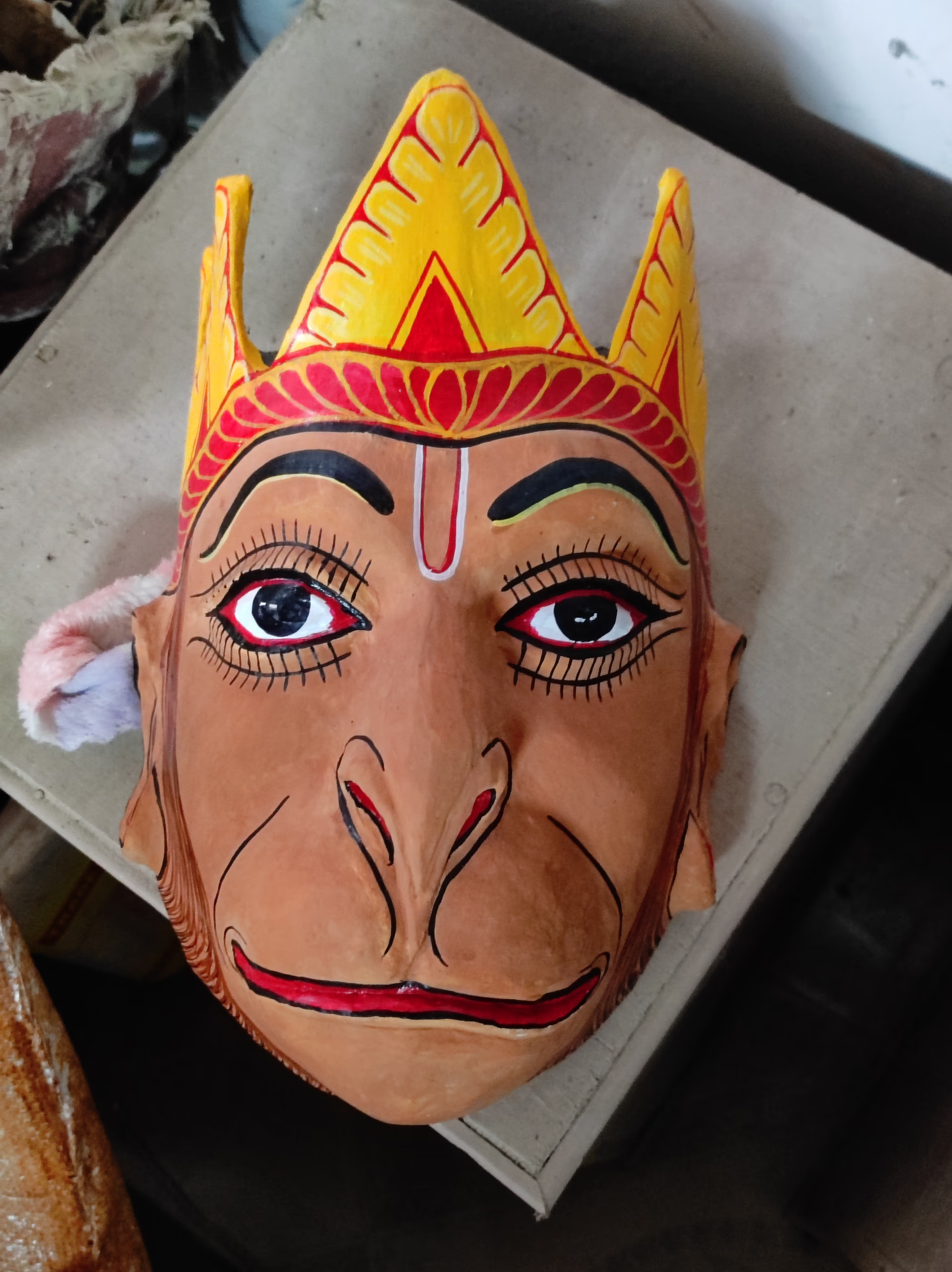
The sattras of Majuli are the keepers of an entire performing and visual culture grown from the neo-Vaishnavite movement. This includes the Borgeet devotional songs composed by Sankardev and Madhavdev, the classical Sattriya dance, and the bhaona devotional drama. Above all, at Samaguri, it includes the making of the expressive mukha masks worn in the bhaona, a craft for which that sattra is famous across the world. The monasteries are also archives. They hold illuminated manuscripts, the sanchipat books written on aloewood bark, royal gifts, and ritual objects. So the island preserves not only the living arts of the Assamese but the material record of the tradition and the kingdom that patronised it.
The festival year
Majuli's ritual calendar is among the richest in Assam, and it follows the Assamese year through its months and seasons rather than gathering at a single date. The year's turn is marked, as everywhere in Assam, by the three Bihus: Bohag or Rongali Bihu in mid-April, at the first ploughing and the Assamese new year; Kati or Kongali Bihu in the lean month of Kartik, austere and lamp-lit, when the granaries are low and a single earthen lamp is set at the foot of the household tulasi and in the paddy; and Magh or Bhogali Bihu in January, the harvest feast at the close of winter. On an island of paddy and cattle these are not abstract festivals but the punctuation of the farming year, and they run alongside the distinctively Vaishnava calendar the sattras keep.
The high point of that calendar is the autumn Raas, the Raas Mahotsav, held around the full moon of Kartik, in November. Over several nights the sattras stage the life of Krishna in dance, music and tableau, the episodes of the Raas Leela, Krishna's dance with the cowherd maidens, enacted in the namghar and its yard; the island fills with pilgrims and visitors from across the valley and beyond, and the Raas at Dakhinpat and Garamur draws the largest crowds. But the Raas is only the brightest point of a year that is full. The sattras keep the tithis of the Vaishnava calendar, the birth-days and death-days of Sankardev and Madhavdev among them, and the great fortnight-long or month-long celebrations of the divine name.
Chief among those is the Paalnaam, the sustained collective chanting that can run for days, and around it turns the ordinary round of the monastery: the daily naam-prasanga, the congregational prayer sung morning and evening in the namghar, the reading of scripture, and the offering to the deity. Between the great festivals it is this daily liturgy, more than any single date, that keeps the sattras in motion and the island at prayer. These observances are not performances staged for tourists; they are the working liturgy of living monasteries. That is why Majuli is as much a place of worship as a place to see, and why a visitor who comes outside festival time still finds the island's devotional life going on, quieter but unbroken.
The erosion crisis
The same river that built Majuli is now consuming it. Across the twentieth century and into the present, the island has lost a great part of its area to bank erosion. Whole villages and stretches of sattra land have been carried off by the Brahmaputra. The slow disappearance of Majuli is among the most acute environmental crises in Assam.
The modern acceleration of that loss has a datable trigger. On 15 August 1950 an earthquake of magnitude about 8.7 struck the Mishmi hills, where the river enters Assam. It shook whole mountainsides into the gorges and choked the Brahmaputra with a vast load of debris and sand, and it dammed and then burst several of its tributaries. Geographers studying the river afterward have traced to that upheaval a marked aggradation of its bed across much of the valley. The raised bed made the water spill wider and the islands wash away faster. So the erosion eating Majuli is in part the long aftermath of that afternoon.
The toll of that faster loss is measured in the land itself. Several sattras have already had to relocate from the island to the mainland as their land was lost. The crisis has also reshaped how the island is governed and defended. In 2016 Majuli was constituted India's first island district. That administrative recognition has framed the push to protect the island and to give it a bridge to the mainland. Embankments, porcupine spurs and bio-engineering have slowed but not halted the erosion. A long-promised road bridge is at last under construction. Majuli, proposed for World Heritage status for its unique living culture, remains caught between recognition and disappearance.
Visiting
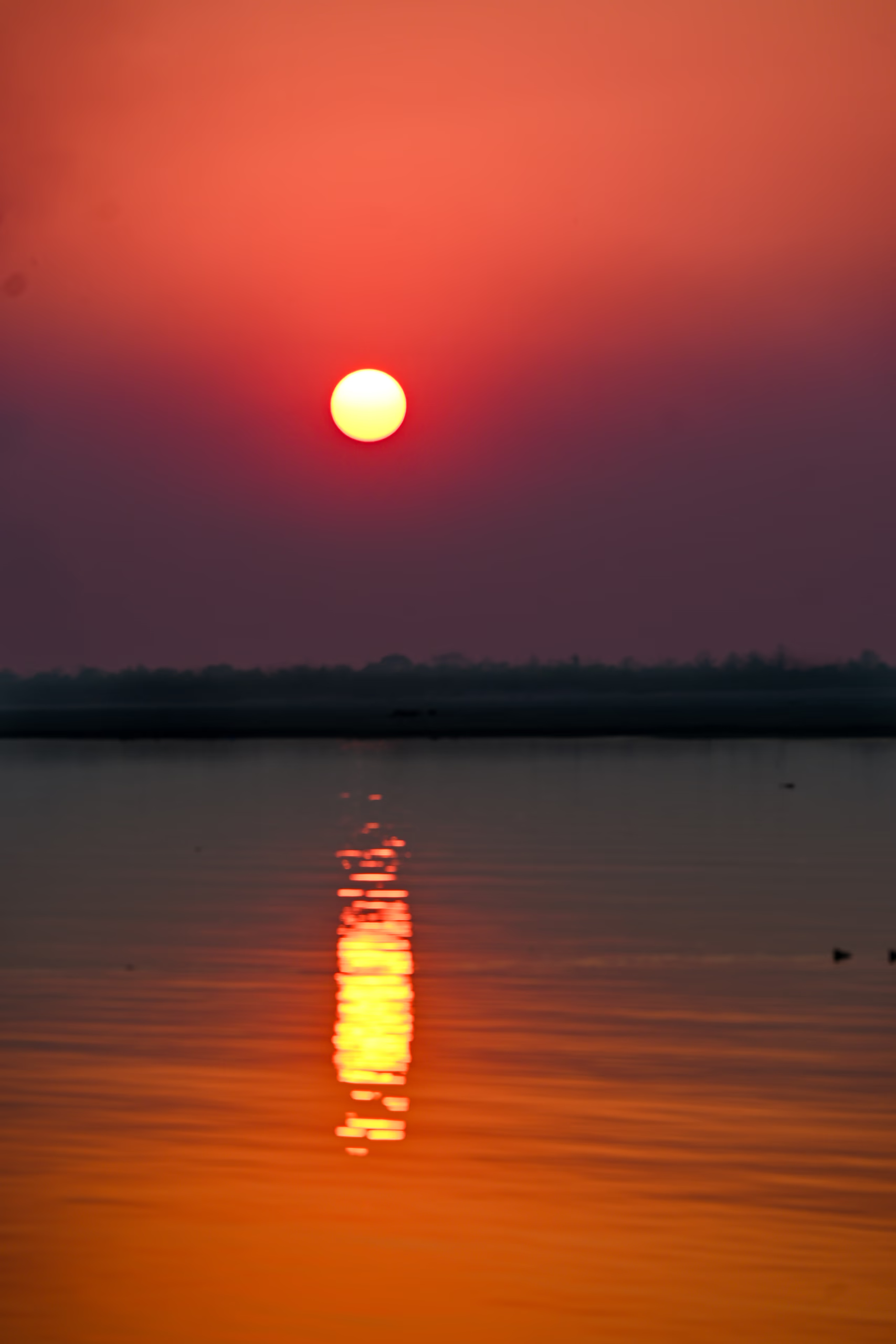
Majuli is reached by ferry across the Brahmaputra from Nimati Ghat near Jorhat. The crossing is itself part of the experience. The new bridge is expected to change access in the coming years. The island is best explored over a day or two by bicycle or on foot. You move among the sattras, the Mising and Deori villages, and the wetlands that draw large numbers of migratory birds in winter. The cool, dry months from November to March are the most comfortable. The autumn Raas is the most extraordinary time to come, when the whole devotional life of the island is on display. Visitors enter the sattras as places of worship, with the observances proper to them.