Sivasagar is the town the Ahom kingdom built for itself at the height of its power. It remains the single richest concentration of that kingdom’s monuments anywhere. Once called Rangpur, it was the Ahom capital through the golden age of the eighteenth century. To this day it is laid out around a vast sheet of water, the Sivasagar or Borpukhuri tank, that gives the town its name. Within a short radius of that tank stand the greatest survivals of Ahom Assam: the pleasure-pavilion, the palace-fort and the soaring temple. A little beyond lies the royal necropolis where the dynasty had begun. To walk Sivasagar is to read six centuries of Ahom rule written on the ground in brick and water.
The tank that named the town
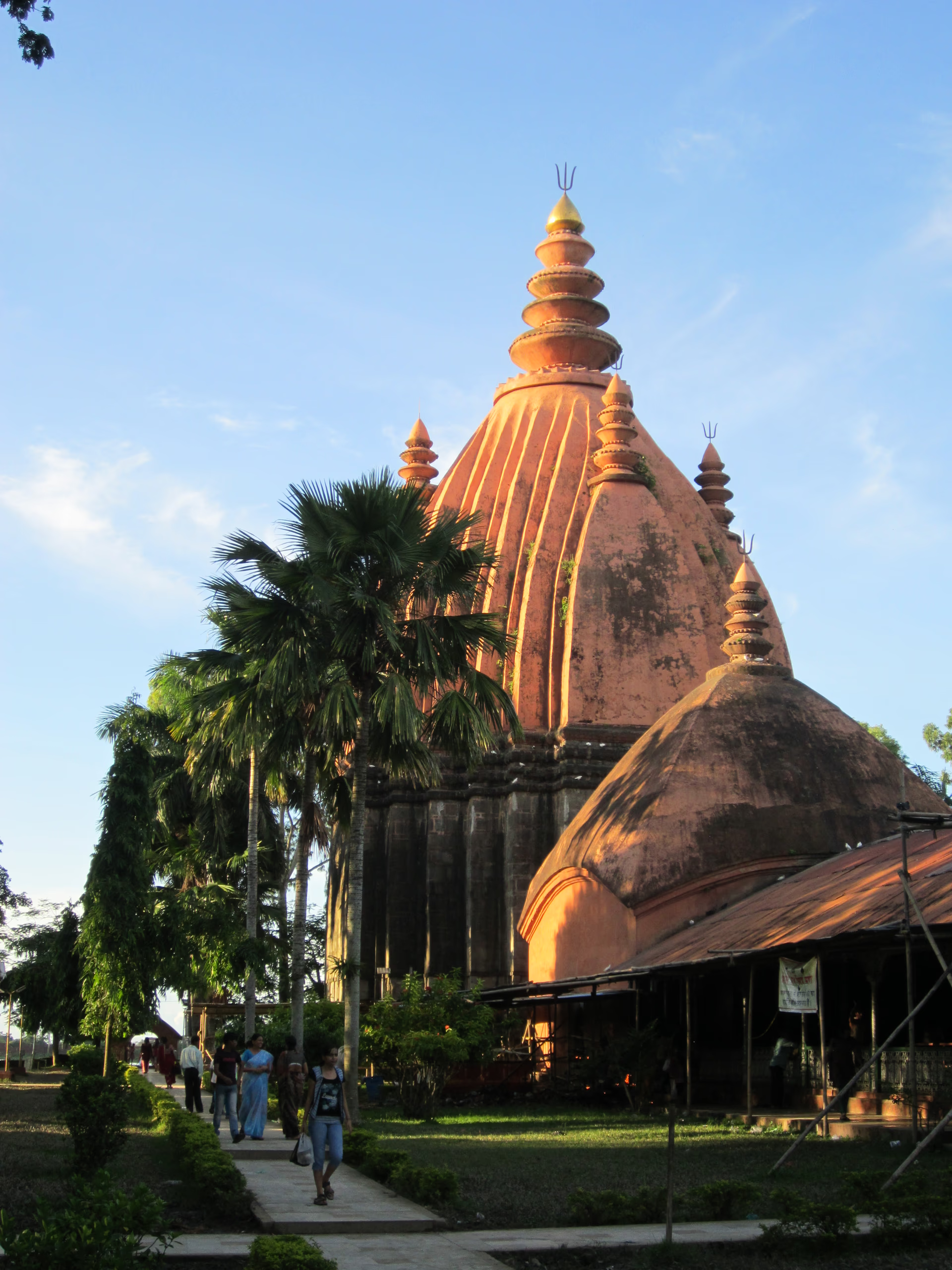
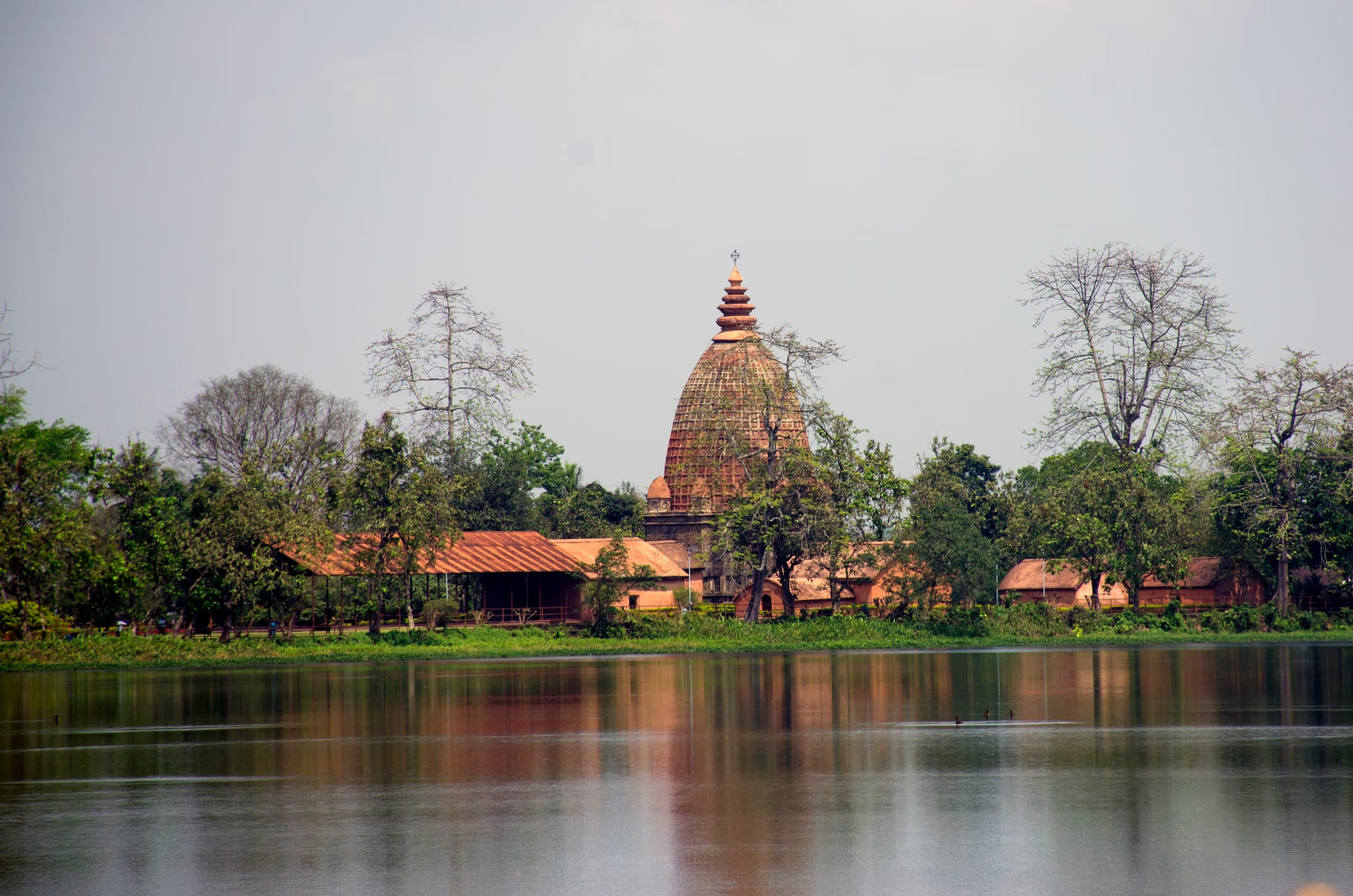
The town takes both its shape and its name from the great tank at its centre. It was excavated in the 1730s and consecrated as the Sivasagar, the sea of Shiva. It was the work of Bar Raja Ambika, the queen of Swargadeo Siva Singha. On its raised bank she built the temples for which the tank is famous: the towering Sivadol to Shiva, with its companion shrines to Vishnu and the goddess. This was a deliberate work of royal piety and public engineering together. It came in the years when the Ahom court had made the Sakta and Saiva Hinduism of the plains the religion of the state. The water is held above the level of the surrounding town, and the great curvilinear tower of the Sivadol rises beside it. Together they make one of the defining engineered landscapes of the kingdom, and the living centre of the town even now.
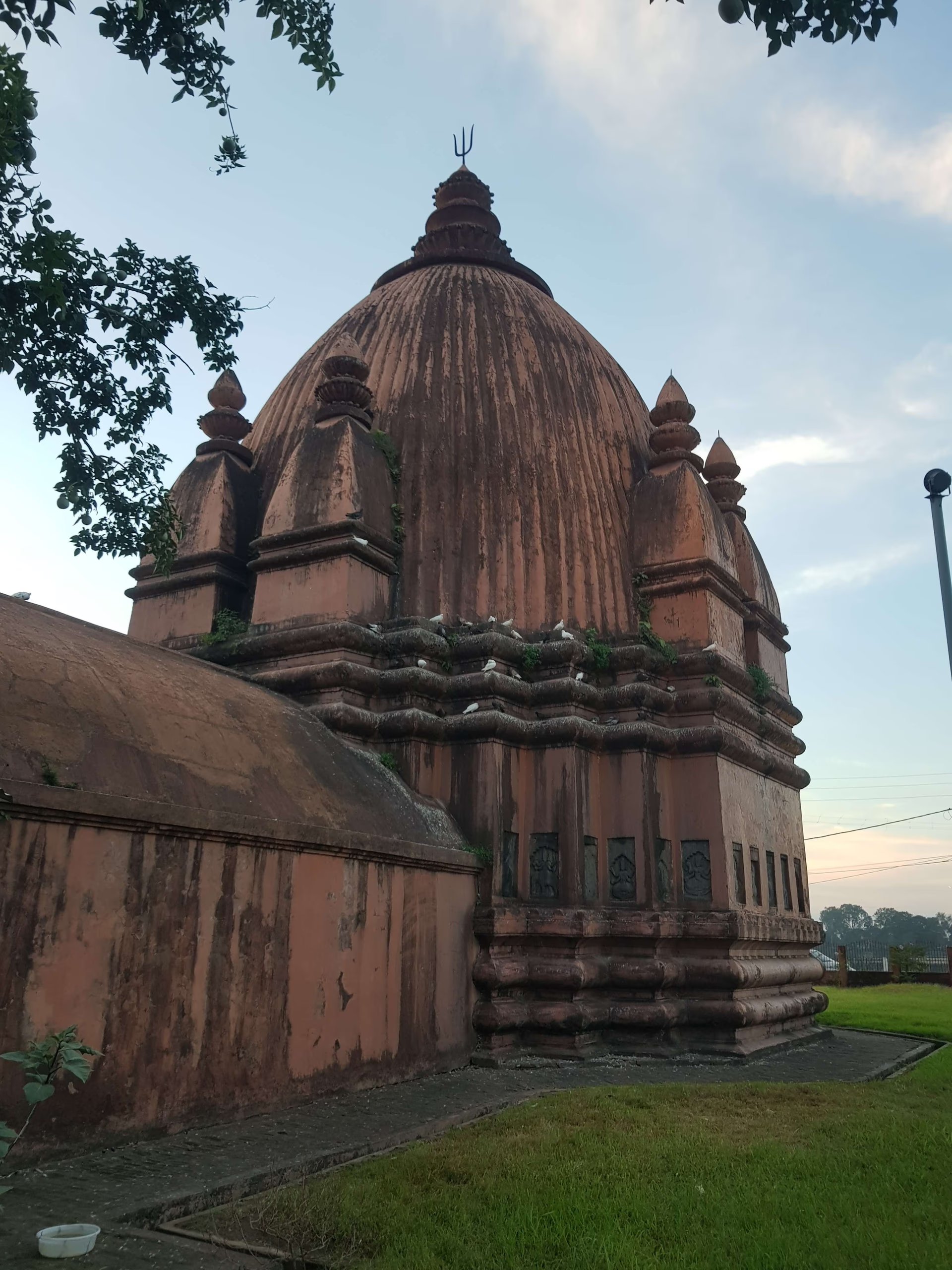
The capital of the golden age
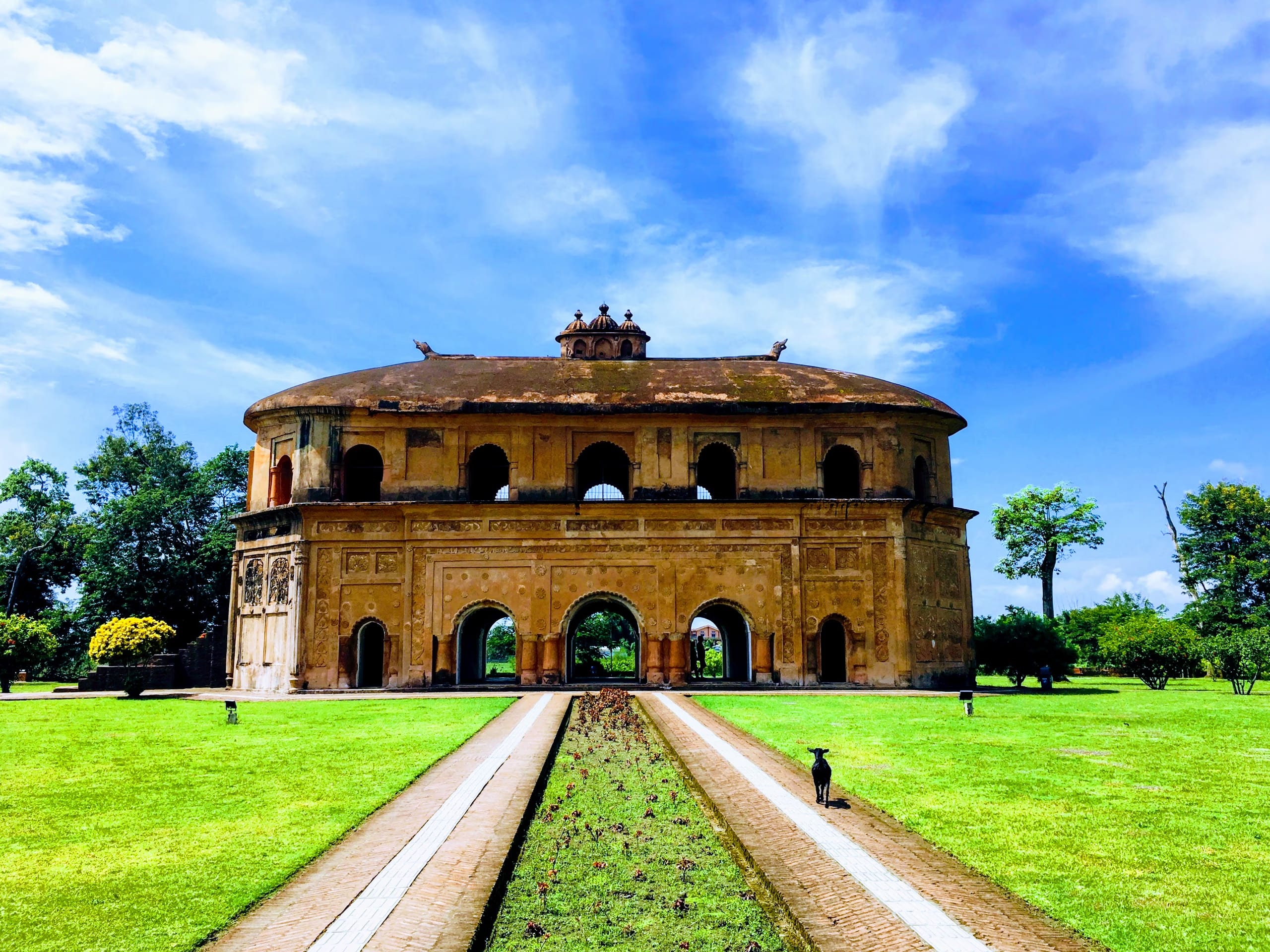
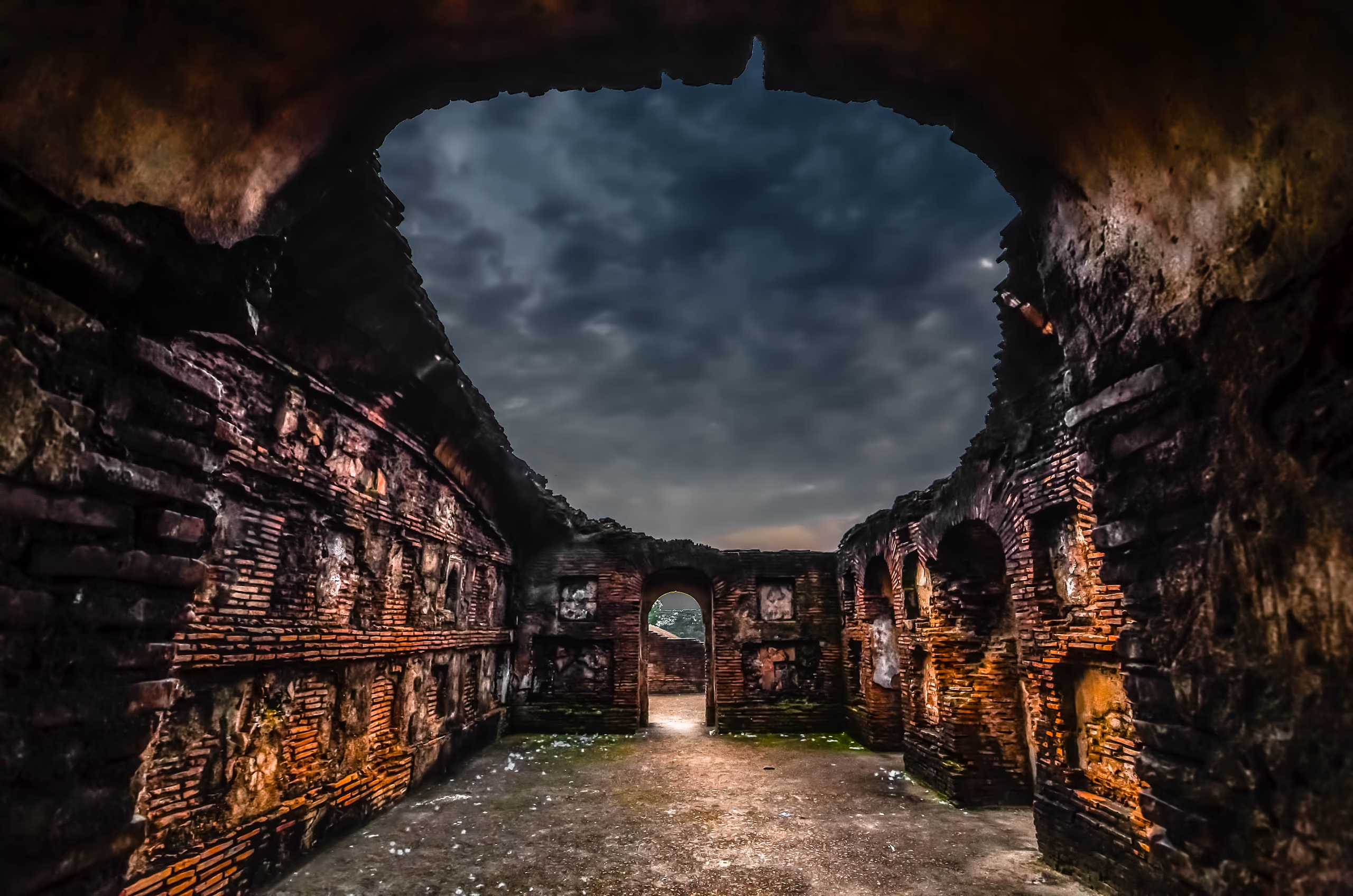
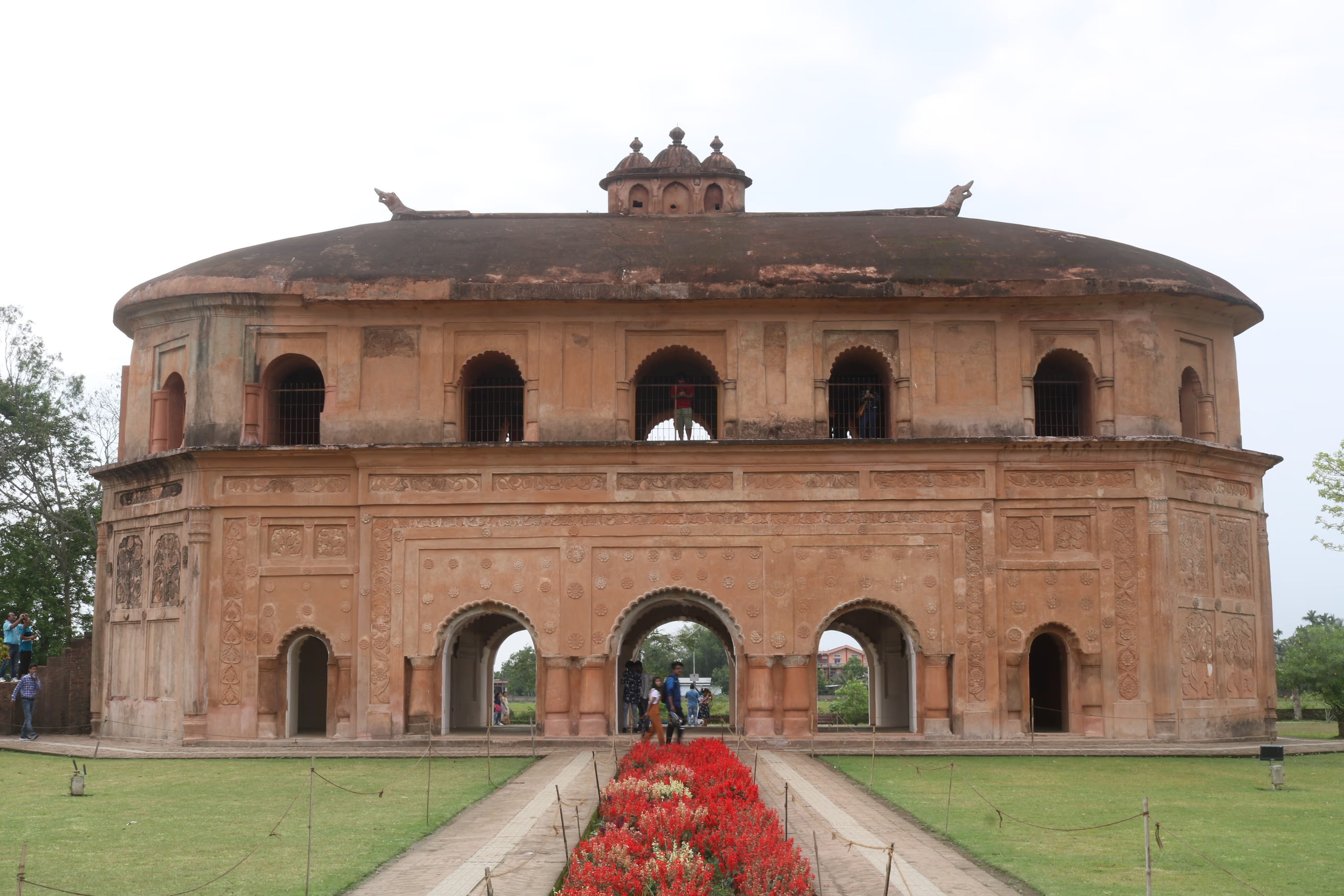
Sivasagar grew up as the seat of the Ahom court. This was the era when the kingdom, having thrown back the Mughals for good, turned its long-hoarded resources to splendour. The capital had moved to Rangpur under the great builder-king Rudra Singha at the turn of the eighteenth century. Through his reign and those of his sons, among them Pramatta Singha, the court raised the monuments that still define the town. That building age is told in The Stone Capital. Around the capital rose the great works of the dynasty. There was the oval grandstand of the Rang Ghar, from which the court watched its festivals. There was the multi-storeyed palace-fort of the Talatal Ghar, with its famous underground floors. There was the Kareng Ghar palace at Garhgaon, and the second great tank of Joysagar nearby. That tank, a little outside the town, is said to be among the largest man-made sheets of water in India. It was dug not for piety or display but in memory of a queen who died under torture rather than betray her husband.
Charaideo, where the kingdom began
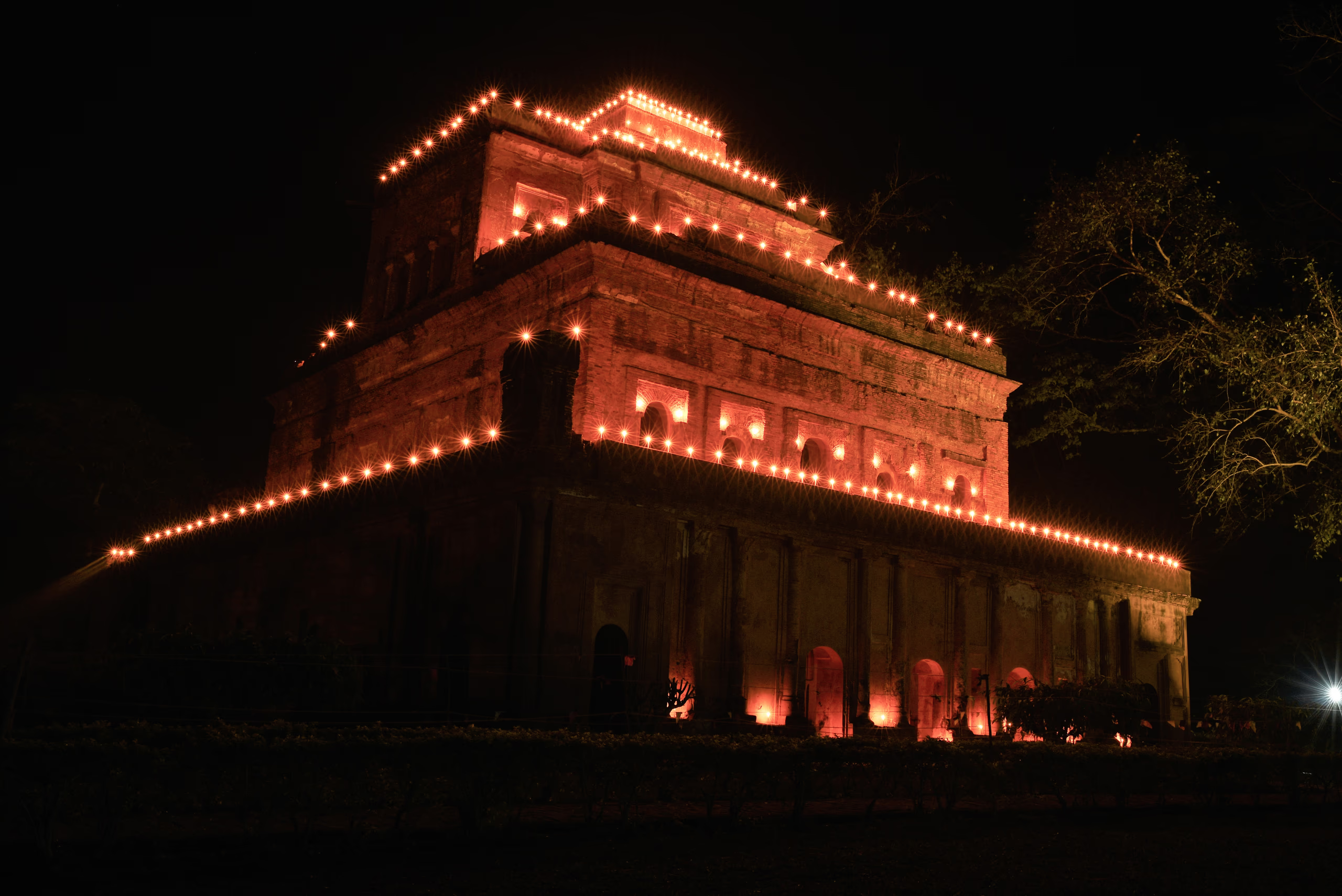
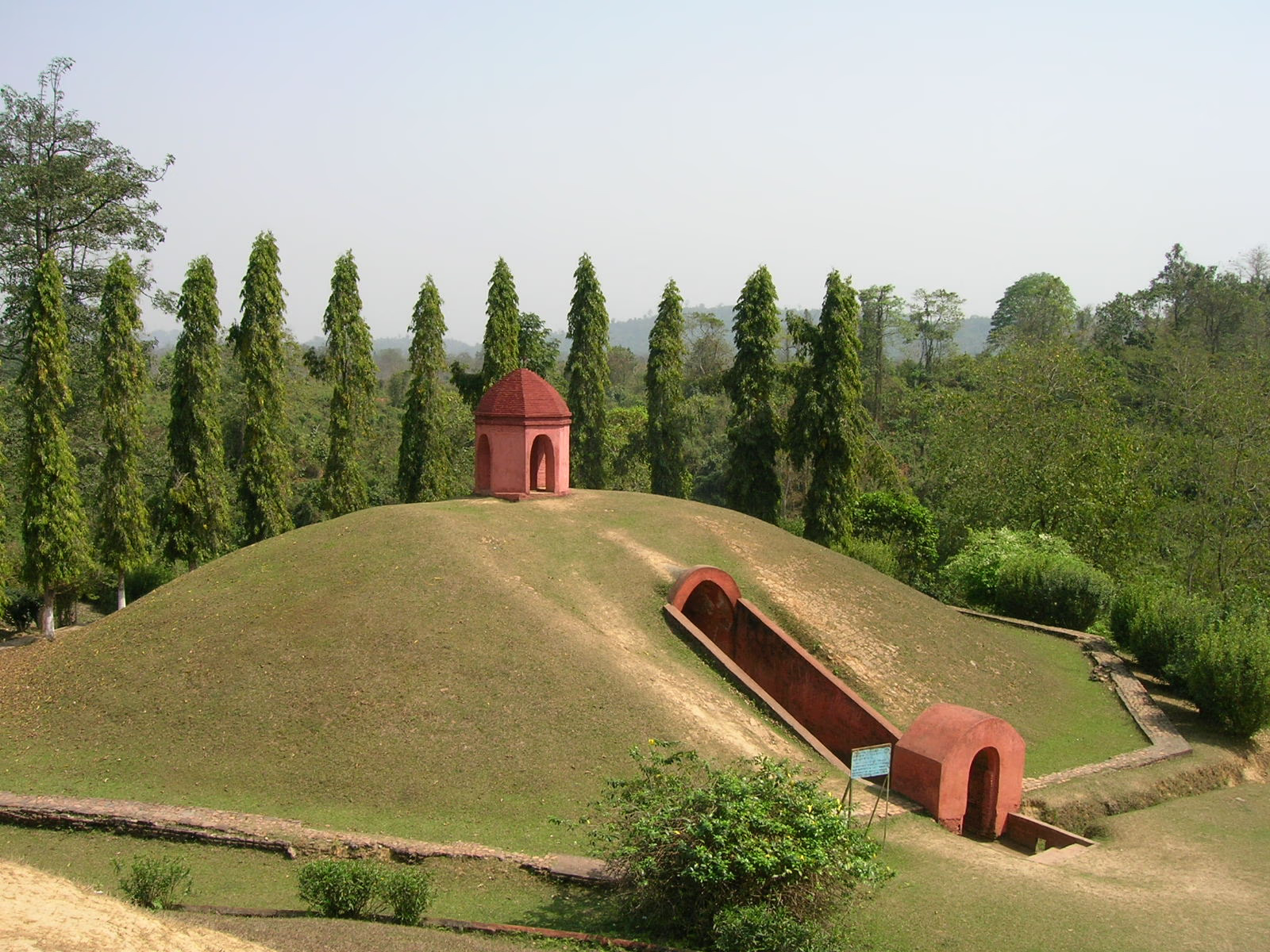
The golden-age capital looked back, across the upper-Assam plain, to where the kingdom had started. At Charaideo, a short way to the east, the first Ahom king had established his seat in the thirteenth century. The hill remained the dynasty’s sacred origin and its royal cemetery for nearly six hundred years. Here the Swargadeos and their queens were laid under the great vaulted earthen mounds, the maidams. These have lately won the site recognition as a UNESCO World Heritage place. The kingdom buried its dead at its birthplace while it built its palaces at Rangpur. This gives the Sivasagar country its peculiar depth: a capital of the living and a capital of the ancestors within a single morning’s reach. The heroic memory bound up in the early kingdom is carried in the second story below.
Woven in a NightAn Ahom noblewoman could not weave her husband the armour-cloth that was held to make a warrior unkillable. When he fell, she armed a band of women and rode to the war herself.Read the story →A capital of great tanks
What strikes the visitor first about the Sivasagar country is water, held everywhere in enormous rectangular sheets above the level of the land. The Ahoms were master builders of tanks, and around their capital they dug some of the largest in India. There is not only the Borpukhuri at the town’s heart, but the great reservoirs of Joysagar, reckoned among the biggest man-made tanks anywhere. The Rudrasagar and Gaurisagar lie nearby, each consecrated with temples on its bank. These were not only works of piety or display. In a country of flood and shifting rivers, a great tank was a reservoir, a fishery, a flood-defence and a focus for a planned town all at once. The Ahom capital was in a real sense a landscape engineered in earth and water as much as built in brick. The temples on the tank banks, the palaces, the maidams and the roads together made a designed royal country. It is the most complete surviving example of how a medieval Indian dynasty shaped the land around its seat.
The monuments of the capital
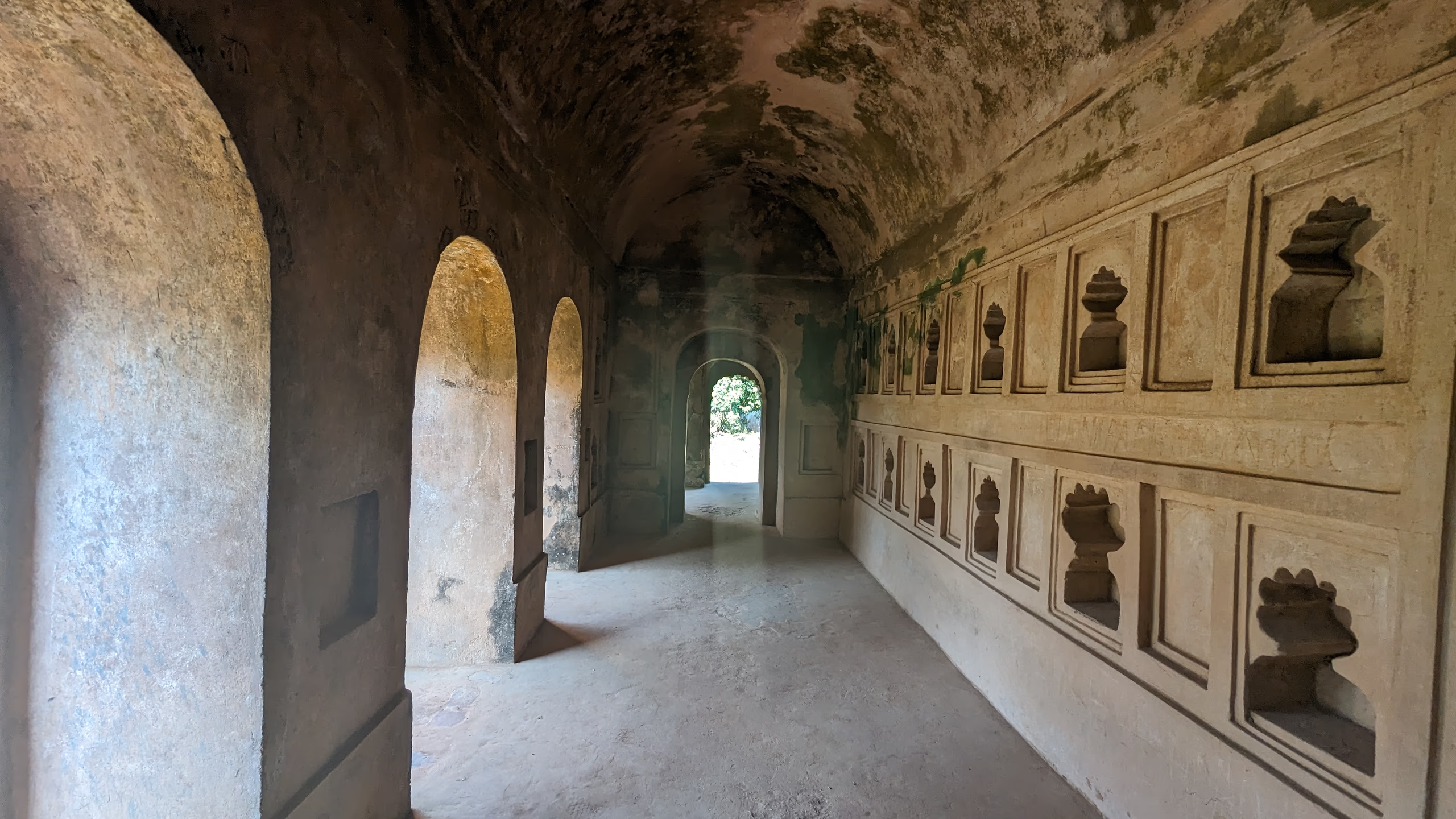
For the visitor the Sivasagar country is best taken as a single circuit of the kingdom’s works. At the heart of the town is the tank with the Sivadol and its companion temples. A little out are the Rang Ghar and the Talatal Ghar, the two great secular monuments. Beyond them are the palace of the Kareng Ghar at Garhgaon, the older capital, and the tank and temple of Joysagar. Eastward lies the royal necropolis of Charaideo. Taken together, they make Sivasagar less a town with some old buildings than an open-air capital of a vanished kingdom. It is the one place where the scale and confidence of Ahom Assam can be walked through in an afternoon.
Visiting
Sivasagar lies in upper Assam. It is reached easily by road from Jorhat and Dibrugarh, both with airports and railheads, and is the natural base for the whole cluster of Ahom monuments. The town itself, the tank and the Sivadol can be seen on foot. The Rang Ghar, Talatal Ghar, Garhgaon and Joysagar are a short drive apart and make a comfortable day, with Charaideo a half-day excursion to the east. The cooler, drier months from November to March are the best time. Then the upper-Assam plain is green after the harvest, and the monuments can be explored without the heat and high water of the monsoon. Treat the whole circuit as one trip. Start at the tank and the Sivadol in the town, link the Rang Ghar and Talatal Ghar to the palace at Garhgaon, then carry on east to the maidams of Charaideo where the kingdom began.